

Course Overview:
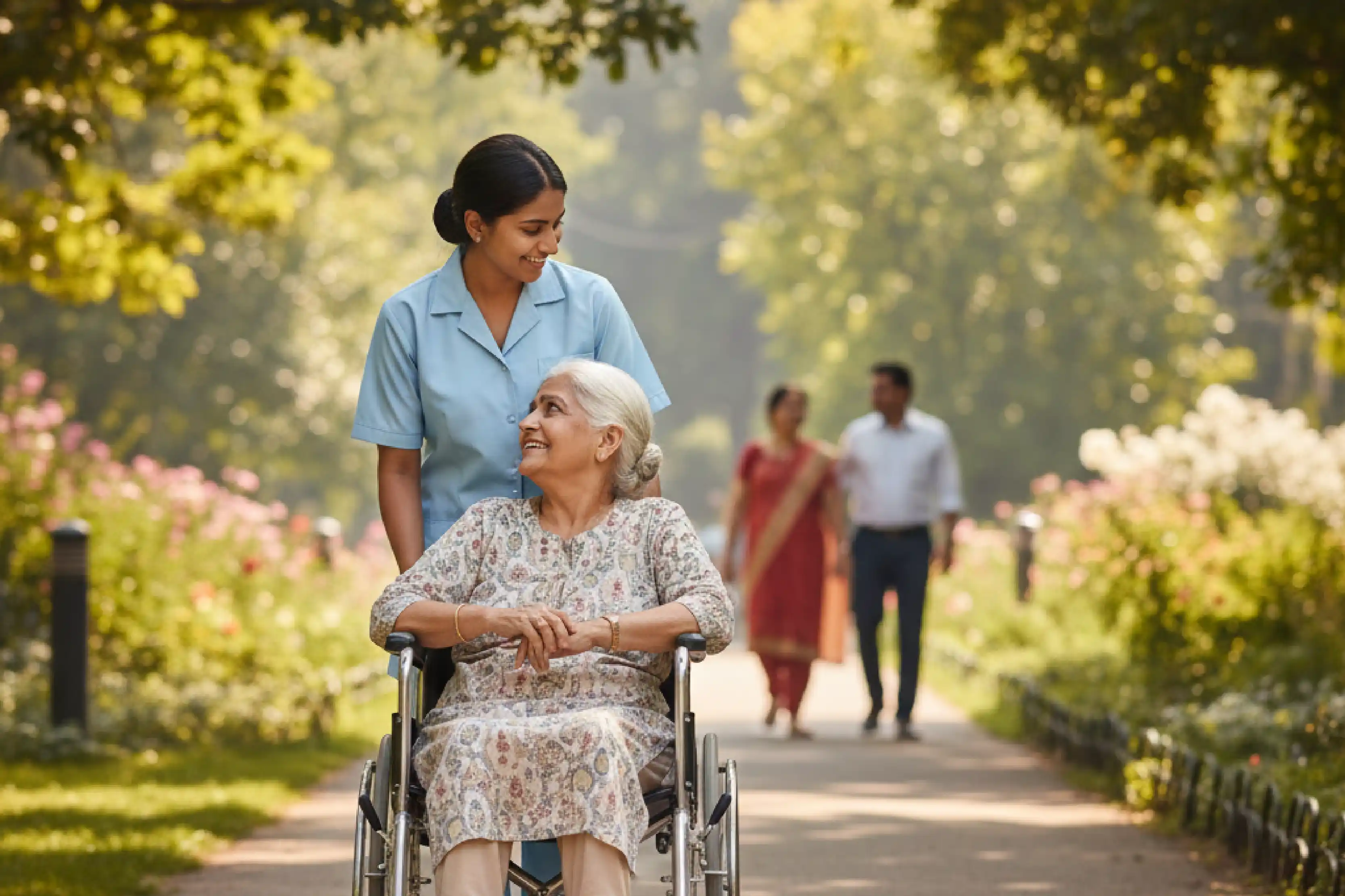
The Elderly Care Taker (Non-Clinical) program trains learners to provide safe, compassionate, and professional support to senior citizens in home-care and institutional settings.
The course prepares students for non-medical responsibilities such as daily living assistance, hygiene care, emotional support, mobility assistance, home safety management, and elderly communication.
This NCrF/NHEQF-aligned certification ensures high industry recognition and structured career progression.
Overview of the Industrial Impact:
India’s elderly population is growing rapidly, creating a massive demand for trained non-clinical elderly caretakers in:
- Home-care services
- Old-age homes
- Rehabilitation centres
- Assisted living facilities
- Palliative care centres
- Hospitals (non-clinical support roles)
Families and institutions increasingly prefer certified caregivers who can deliver safe and ethical support to senior citizens. This course fills the rising employment gap in the healthcare support sector, especially across Kerala, Tamil Nadu, and South India.
Course Modules
Core Subjects
- Introduction to Elderly Care
- Ageing & Common Senior Conditions
- Daily Living Support (ADL)
- Hygiene, Bathing & Grooming
- Feeding Assistance
- Mobility & Comfort Care
- Emotional & Social Support
- Home Safety & Risk Prevention
- Communication Skills for Elderly Care
- Non-Clinical Documentation
Detailed Course Modules
Module 1: Basics of Elderly Care
- Ageing process
- Elderly needs & expectations
- Communication & empathy
Module 2: Activities of Daily Living (ADL)
- Bathing, grooming & hygiene
- Feeding & nutrition support
- Dressing & comfort maintenance
Module 3: Mobility & Support
- Wheelchair support
- Bed-to-chair transfer
- Fall prevention
Module 4: Home Care Operations
- Home sanitization
- Elderly safety monitoring
- Household support tasks
Module 5: Institutional Care Support
- Elder care home protocols
- Non-clinical ward support
- Activity engagement for seniors
Module 6: Emergency Response (Non-Clinical)
- Basic first response
- Alerting medical staff
- Documentation & incident reporting
Management Projects (Practical Assignments)
- Elderly ADL evaluation project
- Home safety assessment report
- Case study on dementia care
- Mobility assistance practice report
- Daily log & documentation project
Key Areas of the Course
- Non-clinical elderly care
- Daily living assistance
- Personal hygiene support
- Home & institutional care
- Emotional & behavioural support
- Safety & comfort management
- Communication & family coordination
Learning Outcome
Students completing this program will be able to:
- Provide safe and compassionate elderly care
- Handle daily living support tasks confidently
- Communicate effectively with seniors
- Ensure hygiene, comfort & emotional care
- Manage home-care and institutional support duties
- Identify risks and maintain safety
- Assist families with elderly care responsibilities

Career Growth
- Senior Care Taker
- Home Care Supervisor
- Elderly Care Coordinator
- Institutional Care Manager
- Palliative Care Assistant
- International Care Giver (Abroad opportunities)







Industry Expectations
Industry Expectations:
- Maintain hygiene & safety
- Handle elderly with patience & empathy
- Assist with mobility and daily tasks
- Work in home & institutional settings
- Follow instructions and maintain documentation
- Provide non-clinical physical & emotional support
This program is designed to meet all these expectations.






Placement Opportunities
Placement Opportunities After the Course
- Elderly Care Taker (Non-Clinical)
- Home Care Assistant
- Senior Citizen Support Worker
- Institutional Care Assistant
- Patient Companion
- Palliative Support Assistant
- Rehabilitation Helper
Industries Hiring:
- ✔ Home care service companies
- ✔ Old-age homes
- ✔ Assisted living centres
- ✔ NGOs working with seniors
- ✔ Palliative care homes
- ✔ Rehabilitation facilities
- ✔ Private households
- ✔ International home-care recruiters

Training & Internship
Practical training is provided in:
Training includes: