

Course Overview:
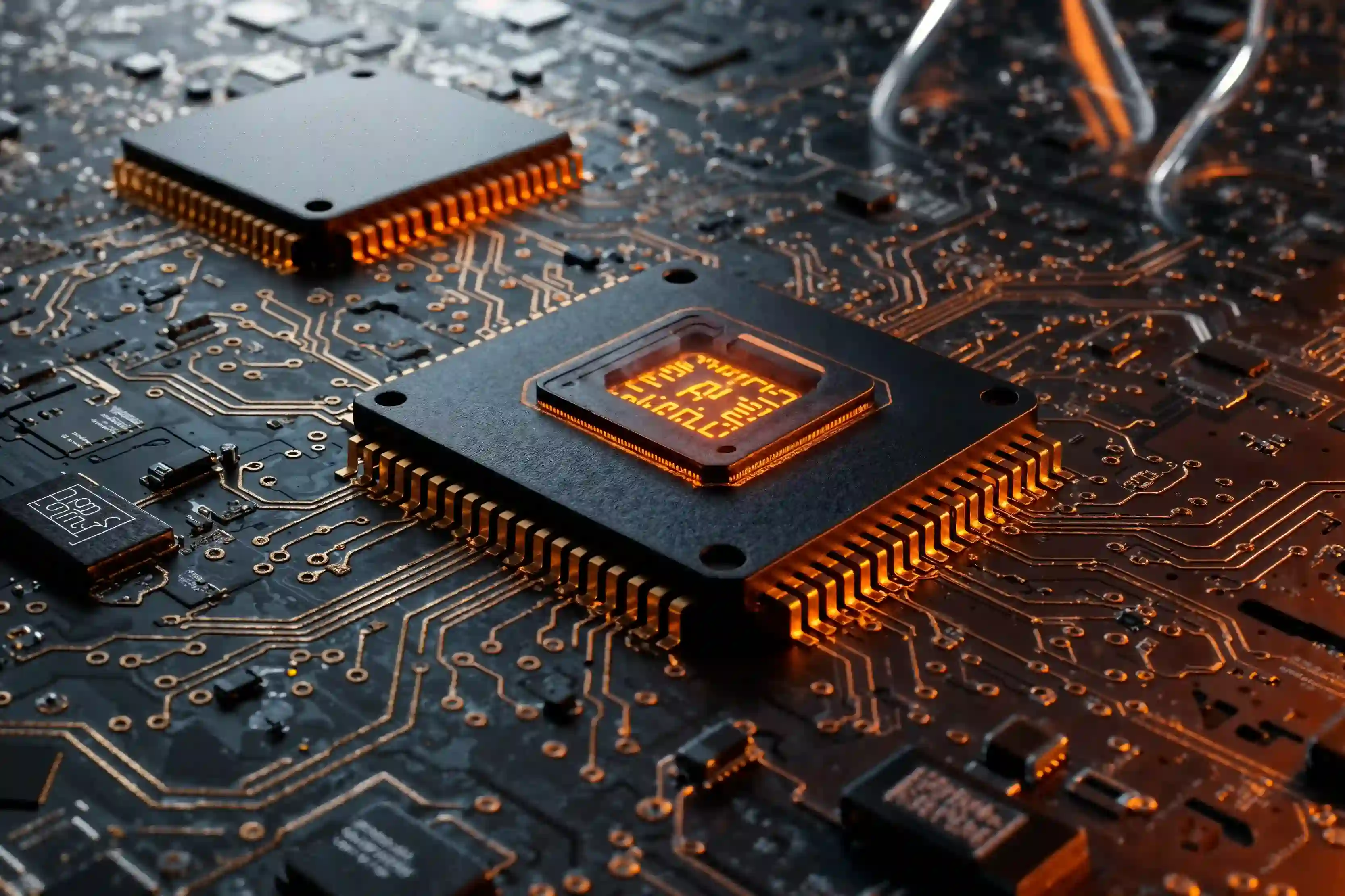
Embedded Systems Course provides students with learning methodologies and practical knowledge regarding designing, testing, integrating, and implementing software for sophisticated embedded systems. An embedded system is basically a combination of computer hardware and software that allows the execution of numerous tasks at once. Embedded systems have become more widely used in fields such as defence, communications, industries, automobile sectors, and pharmaceutical applications to name a few.
Course Modules
- Embedded C
- PIC Microcontroller
- AVR Microcontroller
- ARM Microcontroller
- Arduino
- Advanced Protocols
- RTOS
- Embedded Linux Basics
- Python and Raspberry Pi
- Internet of Things
- Embedded Hardware
- Designing
- Robotics
- Interfacing Sensors
- Interfacing Actuators
- Wireless Technologies
- Introduction to Fuzzy Logic
- IoT Projects
VLSI
- CMOS Logic Design
- Advanced Digital Design
- VHDL – Language and Coding for Synthesis
- Datatype, Operators and Attributes
- VHDL
- Concurrent Code and Sequential Code
- Signal and Variables
- Packages and Components
- Functions and Procedures
- FPGA Design Methodology and Prototyping
- System Verilog
- VLSI Project





Placement Opportunities
Candidates who successfully complete the embedded systems courses will be qualified for positions such as Electronic System Engineer, Design and Control System Engineer, Product Architect, and more. Embedded Systems graduates have a wide scope of opportunities and can earn substantial salaries. Popular roles include Embedded System Developer, Assistant Engineer, Simulation Engineer, Technical Content Developer, and other specialized positions.
- Embedded System Developer
- Design & Control System Engineer
- Product Architect
- Simulation Engineer
- Technical Content Developer
- Assistant Engineer
- Electronic System Engineer
- Embedded Systems Specialist

Learning Outcome
Upon Completion of This Course, Participants Will Be Able To: